

frosted glass wall
Marking a Ruler with a Spirit Level A Guide to Precision Measurement In today’s world, precision is vital across various fields, whether in construction, woodworking, or crafting. One of the simplest yet most effective tools to ensure accuracy is a ruler. However, to maximize the utility of a ruler, integrating it with another fundamental tool—the spirit level—can enhance the process of measurement and layout. This article aims to explore the method of marking a ruler using a spirit level, detailing its advantages and the steps involved to achieve precise outcomes. Understanding the Tools Before diving into the process, it's crucial to understand the two primary tools the ruler and the spirit level. A ruler, typically a flat piece of wood, plastic, or metal, is marked with measurement units. It is essential for determining lengths and ensuring straight edges. On the other hand, a spirit level is used to determine the horizontal and vertical alignment of surfaces. It consists of a sealed tube with a liquid and an air bubble. When the bubble is centered between the marked lines, it indicates that the surface is level. Combining these two tools allows for precise marking and alignment, making it possible to execute tasks that require meticulous attention to detail. Why Use a Spirit Level with a Ruler? 1. Enhanced Accuracy When working on projects requiring exact measurements, using a spirit level ensures that the ruler is positioned correctly. For instance, when marking a long line, a spirit level can confirm that the ruler is straight, reducing measurement errors. 2. Time Efficiency Mistakes often lead to rework. By ensuring a level surface from the start, one can save time that would otherwise be spent correcting misalignments. 3. Versatility This method is applicable in various scenarios, whether one is hanging a picture frame, constructing a shelf, or laying out larger building projects . The principles of marking with a spirit level remain the same, providing consistency across different tasks. marking ruler with spirit level Step-by-Step Guide to Marking a Ruler with a Spirit Level Step 1 Gather Your Materials You will need a ruler, a spirit level, a pencil, and possibly some clamps for stabilization, especially if working on larger pieces. Ensure that your workspace is clear and organized to avoid distractions. Step 2 Position the Ruler Place the ruler on the surface you wish to mark. Ensure that it is where you want to draw your line. Step 3 Use the Spirit Level Set the spirit level on the ruler. Make sure to place it at multiple points along the ruler to confirm that it remains horizontal. Adjust the ruler as needed to get the bubble centered between the lines. Step 4 Mark the Line Once you have confirmed that the ruler is level, use your pencil to draw a straight line along the edge of the ruler. Take your time and ensure that your hand is steady to prevent any mistakes. Step 5 Confirm Alignment After marking, it is wise to double-check the alignment using the spirit level once more. This ensures that your mark is level and straight, ready for the next steps in your project. Step 6 Clean Up Once you have completed your marking, clean the area and store your tools properly. Make sure to wipe any excess pencil marks that could interfere with the accuracy of subsequent measurements or markings. Conclusion Marking a ruler with a spirit level is a straightforward process that can greatly improve the accuracy and efficiency of various projects. By taking the time to ensure both tools are used in conjunction, you not only enhance the quality of your work but also cultivate a habit of precision that will serve you well in any task. Whether you are a seasoned professional or a passionate hobbyist, integrating these tools into your workflow can make all the difference in achieving those perfect measurements.
about
frosted glass wall
Introduction to Slow Closing Check Valves Check valves are critical components in fluid systems, ensuring unidirectional flow and preventing backflow. The slow closing check valve represents a significant advancement in this domain, combining mechanical efficiency with intelligent design to mitigate issues like water hammer and system stress. Developed by Storaen (Cangzhou) International Trading Co., this product addresses modern industrial challenges with its unique features and robust construction. For more details, visit the product page or explore the company's offerings at Storaen's website . Key Features and Advantages The slow closing check valve from Storaen is engineered to deliver exceptional performance in demanding environments. Its core features include: Novel Structure : A redesigned internal mechanism ensures smooth operation and minimal turbulence. Superior Sealing : Advanced materials and precision manufacturing guarantee a tight seal, even under high-pressure conditions. Low Resistance : The valve's streamlined design reduces flow resistance, enhancing system efficiency. High Flow Capacity : Large bore sizes allow for substantial flow rates without compromising performance. Extended Service Life : Durable construction minimizes wear and tear, reducing maintenance needs. Adjustable Closing Speed : Users can fine-tune the valve's closing mechanism to match site-specific requirements. According to NIST's research on fluid dynamics, "Optimizing valve design to reduce energy losses and improve system reliability is essential for industrial applications" ( NIST ). Storaen's slow closing check valve aligns with these principles by minimizing energy waste and enhancing operational longevity. Technical Specifications Parameter Details Model 300X Slow-Closing Muffler Check Valve Material Stainless Steel, Cast Iron, or Custom Alloys Pressure Rating Up to 150 psi (10.3 bar) Flow Rate Varies by size; standard models handle 100-500 GPM Connection Type Flanged, Threaded, or Welded Operating Temperature -20°C to 120°C Adjustment Mechanism Manual or Automatic Control Options Standards Compliance ASME, ISO, and NIST-Recommended Protocols For detailed specifications, refer to the product documentation . Applications in Industrial Systems The slow closing check valve is versatile, with applications across multiple sectors: Water Treatment Plants : Prevents water hammer during pump shutdowns, protecting pipelines and equipment. Oil and Gas Industry : Ensures safe flow control in high-pressure environments, reducing risks of system failures. Power Generation : Enhances efficiency in cooling and condensate systems, minimizing energy losses. Manufacturing Processes : Maintains consistent flow rates in hydraulic and pneumatic systems, improving product quality. HVAC Systems : Reduces noise and wear in heating and cooling systems, extending component lifespans. NIST emphasizes the importance of "precision in fluid control systems to ensure safety and efficiency" ( NIST ). Storaen's valves are designed to meet these standards, making them ideal for critical applications. Company Background: Storaen (Cangzhou) International Trading Co. Storaen (Cangzhou) International Trading Co. is a leading provider of industrial valves and fluid control solutions. With a focus on innovation and quality, the company serves clients globally, offering products that meet rigorous industry standards. Their commitment to research and development ensures that their offerings remain at the forefront of technological advancements. For more information about the company, visit Storaen's official website . Why Choose Storaen's Slow Closing Check Valve? Storaen's slow closing check valve stands out due to its combination of advanced engineering and practical design. Key benefits include: Customizable Solutions : Tailored to specific operational needs, ensuring optimal performance. Cost-Effective Maintenance : Durable construction reduces downtime and repair costs. Environmental Compliance : Designed to minimize energy consumption and waste. Global Support : Access to technical assistance and after-sales services worldwide. As NIST highlights, "Adopting standardized, high-performance components is vital for sustainable industrial growth" ( NIST ). Storaen's valves exemplify this approach, offering reliable solutions for modern industries. Conclusion The slow closing check valve from Storaen (Cangzhou) International Trading Co. represents a significant leap forward in flow control technology. With its innovative design, robust specifications, and wide-ranging applications, this product addresses the evolving needs of industrial systems. By integrating NIST-endorsed standards and emphasizing durability, Storaen ensures that their valves deliver long-term value and reliability. For further details, explore the product page or contact Storaen directly at Storaen's website . References National Institute of Standards and Technology (NIST) . "Fluid Dynamics and Industrial Applications." Retrieved from https://www.nist.gov . Storaen (Cangzhou) International Trading Co. "Slow Closing Check Valve Specifications." https://www.strmachinery.com/slow-closing-check-valve.html .
-

High quality industrial productsagement

High quality industrial products
View Details -

Meet the diverse needs of customers

Meet the diverse needs of customers
View Details -

Strict quality control

Strict quality control
View Details -

Top raw materials

Top raw materials
View Details -

Trusted supplier

Trusted supplier
View Details
Our application


news and information
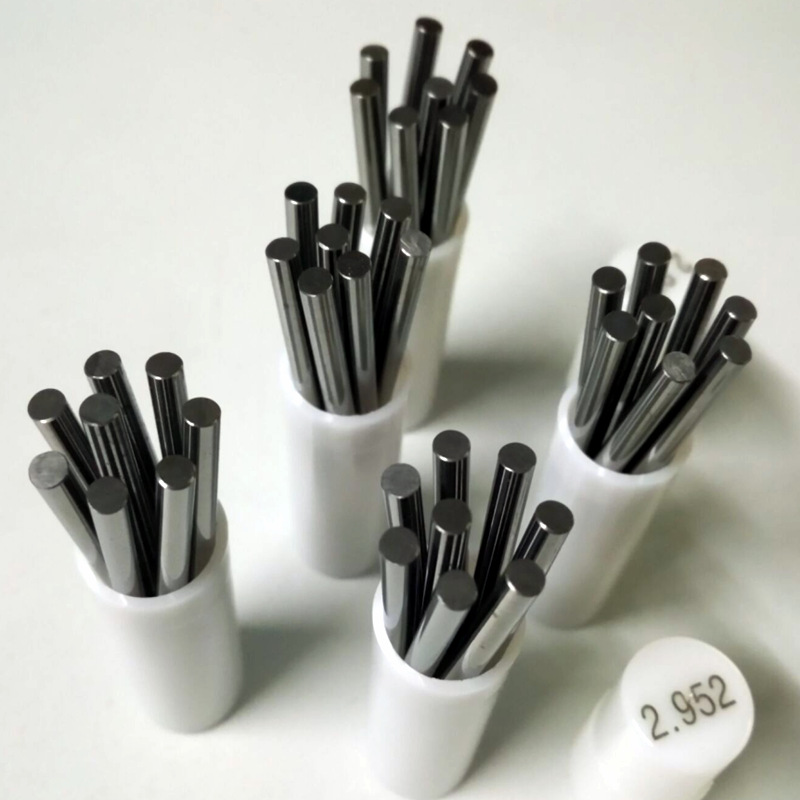
Versatile Clamps for Welding Tables to Enhance Your Fabrication Projects
welding table clamps 5 8

water valve main
Understanding Water Valve Main Key Components and Importance Water valves are critical components in

v block & clamp
The Importance of V-Block and Clamp in Precision Workholding In various machining and manufacturing
 English